F5 Collective at UN CSW69: From Promises to Economic Power – March 2025
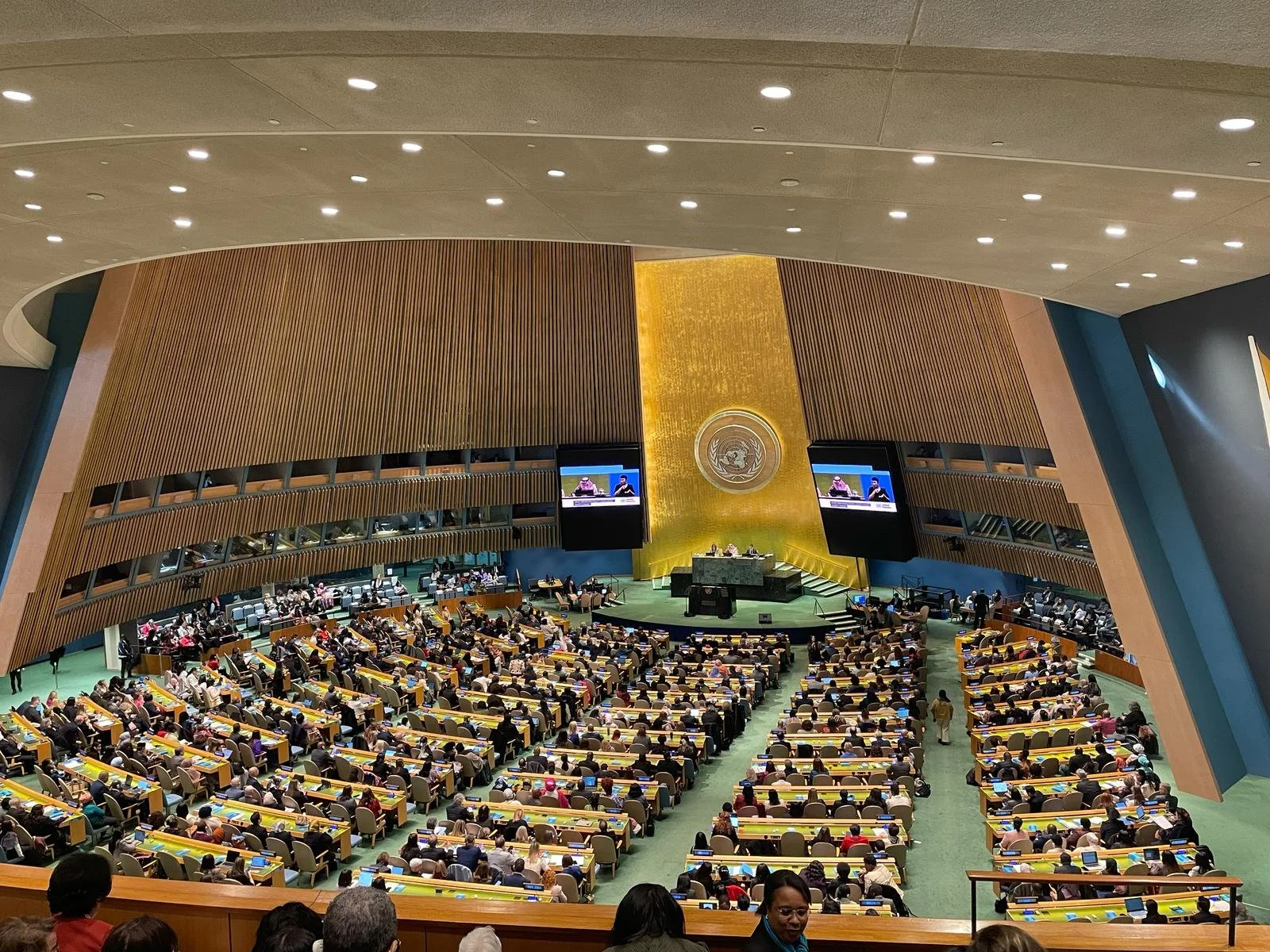
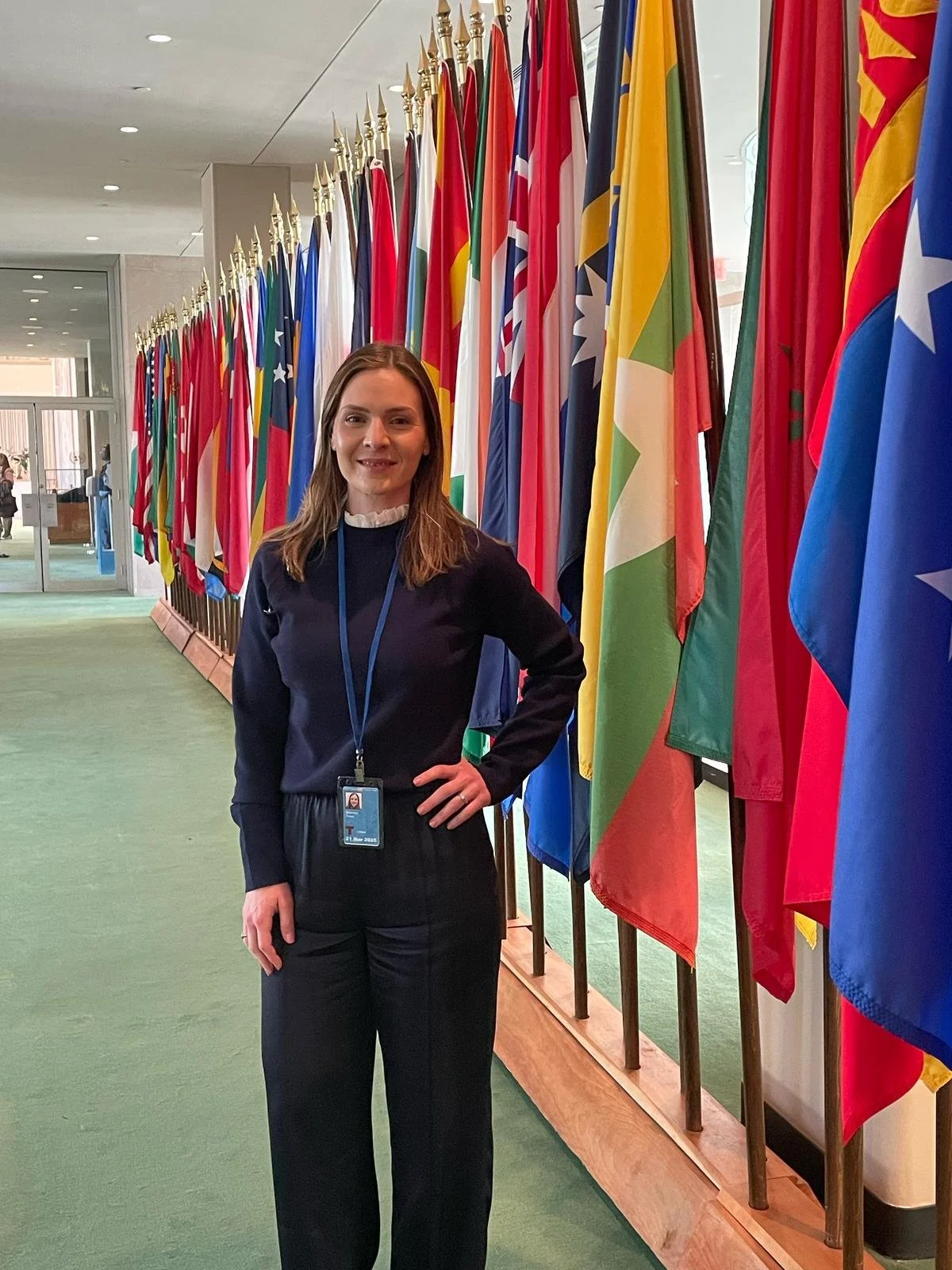
In March, 2025 world leaders, policymakers and advocates gathered in New York for CSW69, the UN’s Commission on the Status of Women, marking 30 years since the Beijing Declaration and Platform for Action. F5 Collective attended a week defined by a clear message: gender equality has been promised for decades, and the world is no longer willing to wait for it.
Australia’s presence at the summit was notably thin. With few Australian panels or government representatives on the ground, the absence stood out against nations using active government intervention and enforceable mandates to close gender gaps rather than relying on voluntary measures.
Iceland offered a striking counterpoint. This year marks 50 years since Icelandic women staged the 1975 Women's Day Strike, walking off paid and unpaid work for a day. The strike shifted national policy within years and helped elect the world’s first democratically chosen female president, Vigdís Finnbogadóttir, in 1980.
At a UK-led session, Dr Anna Cody of the Australian Human Rights Commission pointed to Australia’s own 2017 National Inquiry into workplace sexual harassment, which produced 55 recommendations still not fully implemented. The session’s consensus was straightforward: voluntary industry agreements have not worked, and preventative regulation is needed in their place.
Technology featured heavily in discussions, with speakers including UN Women Executive Director Sima Bahous noting that digital tools can narrow economic gaps for women, provided women help shape them. McKinsey partner Molly Bode highlighted the scale of underinvestment in women’s health research, noting that closing the gender health gap could add over $1 trillion to global GDP by 2040, while conditions such as endometriosis, affecting roughly 1 in 10 women, receive a fraction of comparable research funding.
On financing, Finland’s State Secretary Laura Rissanen described how early investment in primary healthcare helped lift the country out of poverty, and Luxembourg’s Ambassador Olivier Maes outlined the country’s ongoing funding of the UNFPA Equaliser Fund for women-led innovation.
Fifteen countries, including Australia, used the summit to condemn the continued exclusion of women from public life in Afghanistan, a situation increasingly described internationally as gender apartheid. Albania’s Ambassador Suela Janina told delegates plainly that on the promise of Beijing+30, “in Afghanistan, we have failed.”
Thirty years on from Beijing, the throughline of CSW69 was that the roadmap for gender equality has existed for decades. What remains is the will to follow it. F5 Collective’s focus stays on financial independence as the foundation for that progress, building the infrastructure and capital that allow women to own their share of the economy, not simply participate in it.